
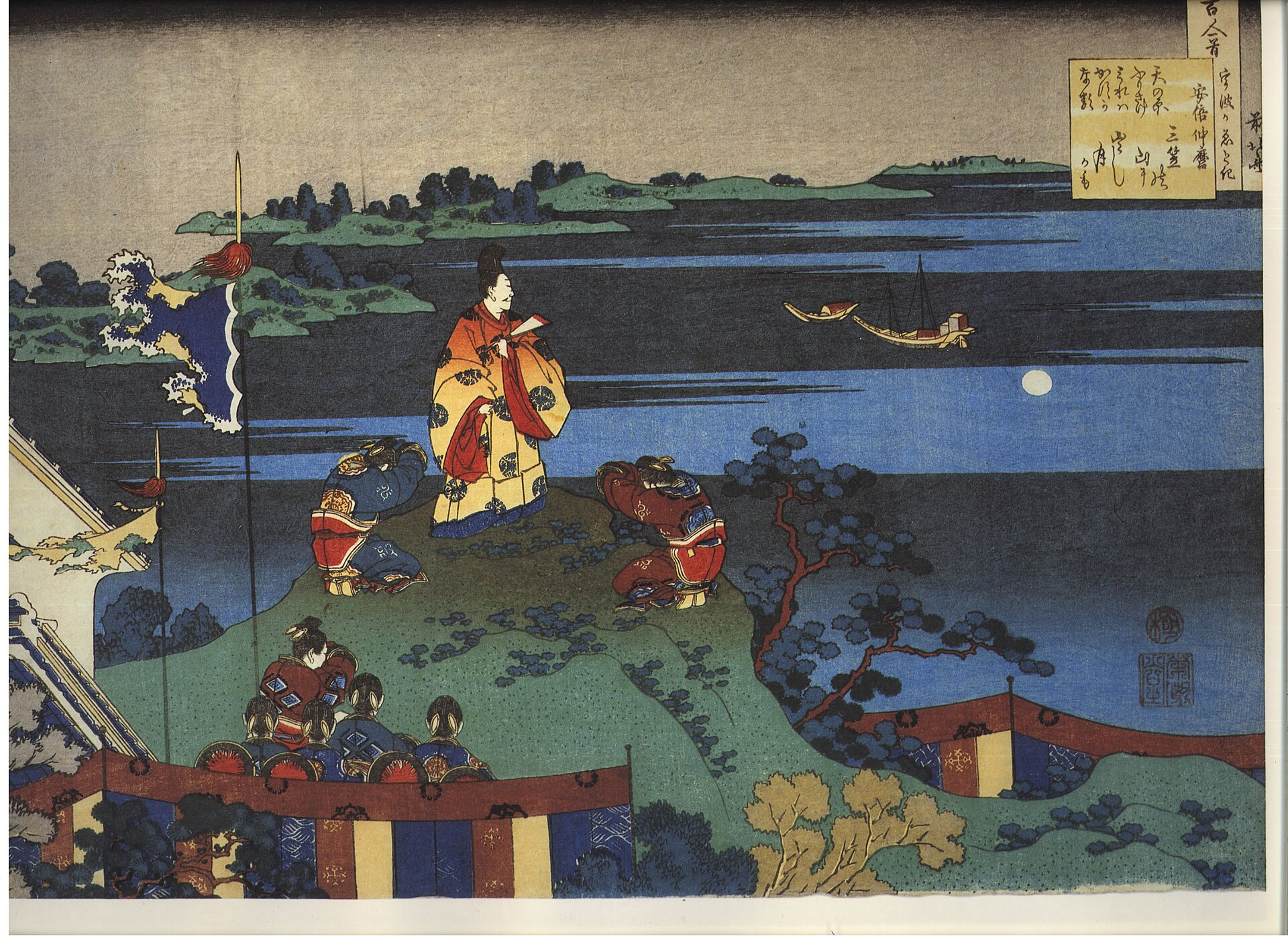
Studies of the late premodern and early classical Japanese periods highlight the expansion of centralized power and the emergence of a growing elite, often borrowed extensively from their Chinese counterparts to the West. However, the discussion of Chinese language is often left out of consideration as a relevant piece of the larger puzzle. This project explores the construction of statehood in the early Asuka (538-710) and Nara (710-794) periods through the influence of the Chinese language itself. This study will analyze several law codes, edicts of both Tang and Nara emperors, and the official histories of both cultures as a process of understanding legitimization in ancient Japanese imperial courts. Through a comparative analysis of Chinese and Japanese legal frameworks, state historical narratives, and Confucian policies, the influence of the Tang Chinese was undeniably crucial to the justification of their Japanese counterparts, especially towards their domestic and foreign audiences.
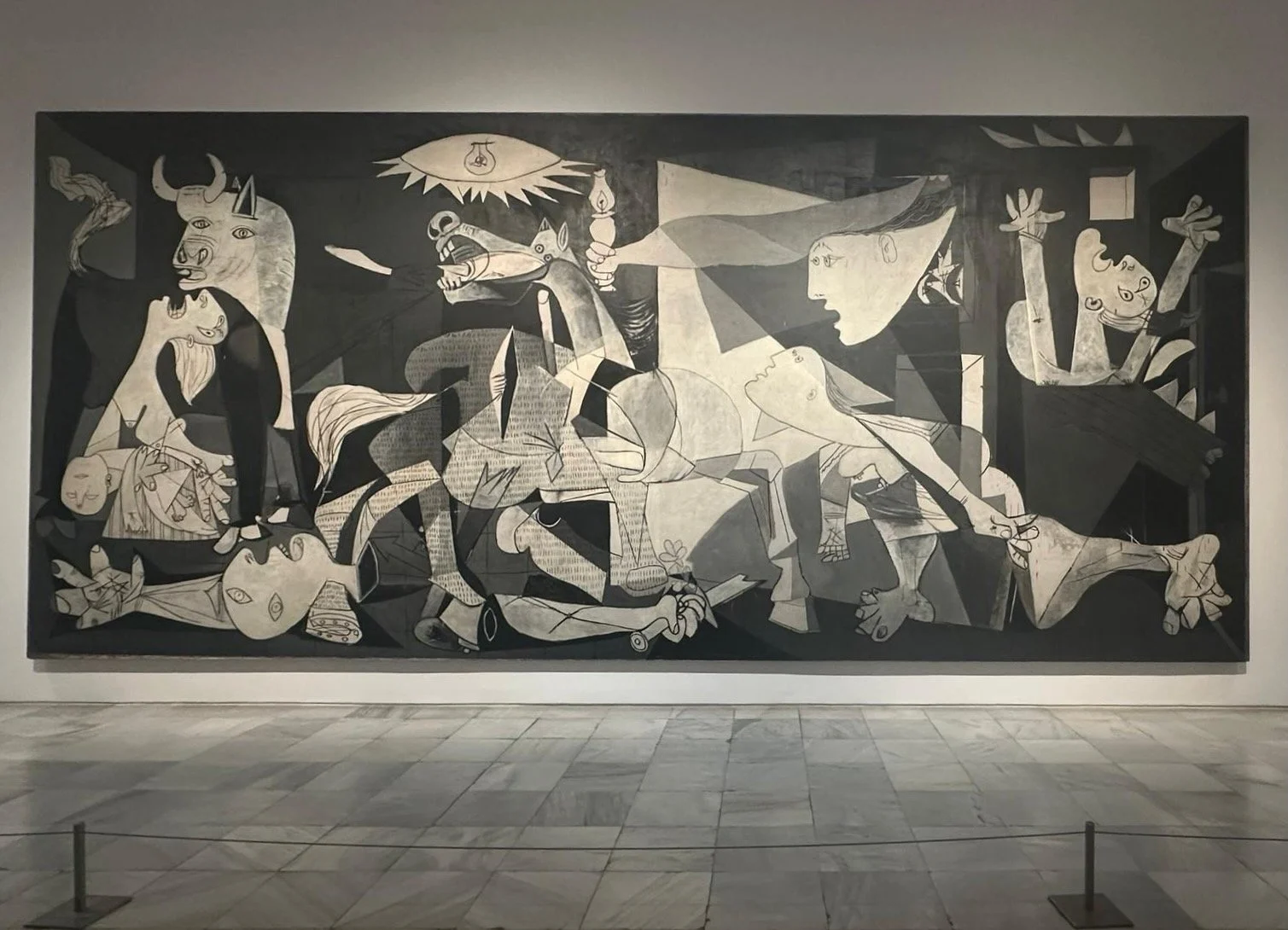
Explore the historic journey of Pablo Picasso’s masterpiece, Guernica, from its long-term exile at New York’s MoMA to its remarkable return to Madrid in 1981. This article examines the painting’s repatriation as a pivotal moment in the Spanish Transition to Democracy, symbolizing national reconciliation and a departure from Francisco Franco’s isolationist dictatorship. Delve into the complex interplay of historical memory, regional tension in the Basque Country, and Spain’s urgent drive to establish modern cultural capital for European Community integration. From its role as a symbol of peace to its modern significance in global politics, learn how Guernica helped heal a nation’s last wound and remains a powerful emblem of strength against violence and war around the world.
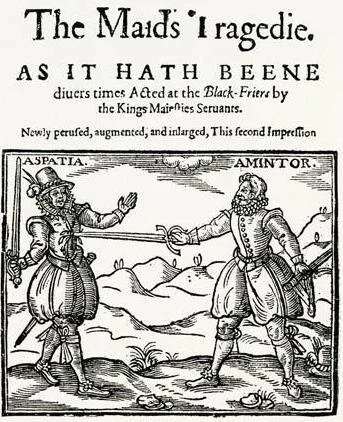
Early modern English plays "The Spanish Tragedy" (1592), by Thomas Kyd, and "The Maid’s Tragedy" (1619), by Francis Beaumont and John Fletcher, are two examples of how revenge drama reframes justice and provides a radical space for othered and marginalized members of society to find the closure they are otherwise denied.
This essay examines how Patricio Guzmán’s documentary, The Pearl Button, decolonizes traditional understandings of Chilean history through poetic form.

Yue Minjun’s Execution is examined as a complex response to China’s cultural and political landscape after the Tiananmen Square Incident of 1989. This painting resists a straightforward reading as “dissident art,” and is rather positioned between Cynical Realism and Political Pop, showing how Yue satirizes China’s historical trauma. Through comparisons with Goya and Manet, Execution also plays with historical narratives surrounding violence, spectatorship, and martyrdom. The global art market’s influences on Yue’s work is also discussed, examining how the market’s preferences helped shape Yue’s signature style, allowing him to gain more traction and transforming Execution into an allegory of the socio-political landscape of post-1989 China.