
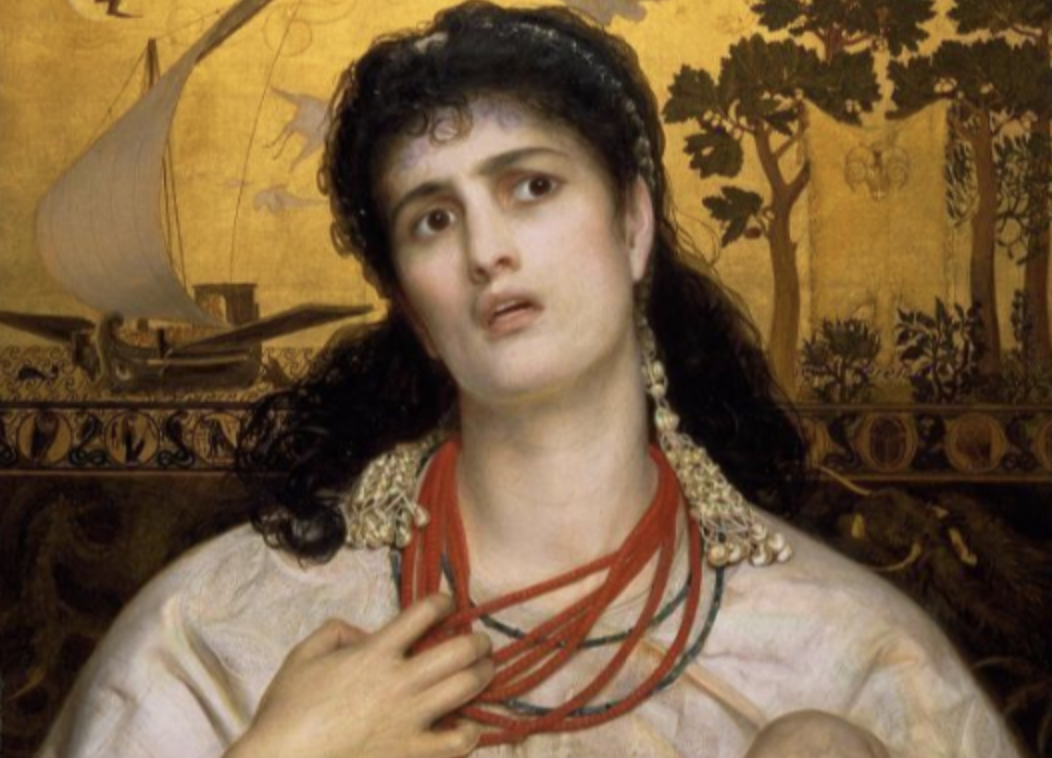
Decades span the changing perceptions on Medea as a mythological figure; from spiteful child killer to potent sorceress, each time period brings with it a new way to reinterpret Medea’s portrayal in literature and media. This paper seeks to understand and explore these changing perspectives and focus its lens on Raoul Lefèvre’s 1460 adaptation L’Histoire de Jason against the backdrop of the Arras Incidents in 15th Century Burgundy.
Read MoreBy Emily Ward, University of Notre Dame
Are freedom and fate mutually exclusive concepts? What is the value in making a choice if we are condemned to a predetermined destiny? These are the questions Sophocles attempts to answer through his works Oedipus Rex and Antigone.
Read MoreGrant K. Schatzman
The metaphor of living artwork is interestingly appropriate to the history of Ovid’s Metamorphoses. The explosion of translation in the Renaissance turned the dusty tomes of Greece and Rome face up once more, but it is for very good reason that the movement is called a “rebirth” rather than a “rediscovery.” It is no surprise that Renaissance writers “rebirthed” Pygmalion with a new interpretation for every cultural criticism and moralization.
Read MoreBy Rachael Isom
Hilda Doolittle, more commonly known by the initials H.D., merges classical mythology with personal perception in "Helen," a poetic portrait of the infamous Helen of Troy.
Read More