Waves of Memory: Water, History, and Resistance in Patricio Guzmán's "The Pearl Button"
Introduction
If history is written by its victors, then how can film ethically lend a voice to the marginalized? For media scholar William Guynn, the answer lies in the documentary genre, a form uniquely empowered to rewire people’s understanding of the past. As audiences submerge themselves in the sensory experience of spectatorship, their recollection of historical events is reshaped by onscreen representation.[1] This is the active process of collective memory: when individuals align themselves with diverse viewpoints to define a shared sense of identity with others. Remembrance “exists as a continuity that supposes a plural consciousness,” structuring community experience around past, present, and future moments.[2] By providing a material representation of this immaterial encounter, documentaries make history come to life, and formerly established narratives become ripe for reinterpretation. Storytellers, such as Chilean filmmaker Patricio Guzmán, have grasped this opportunity to explore tales purposefully erased from the record. A former journalist, Guzmán first rose to fame for his Battle of Chile trilogy (1975-79), which chronicles the complex political turmoil of the military coup against President Salvador Allende in 1973. Guzmán’s breakout films received international renown and cemented his stature as a social documentarian.[3] Several decades and acclaimed films later, he released a bold new trilogy for the twenty-first century: 2010’s Nostalgia for the Light, 2015’s The Pearl Button, and 2019’s The Cordillera of Dreams. The series broadly explores the crimes of Augusto Pinochet’s dictatorship—the very officer who seized power from Allende—and the fallout of the regime’s collapse in the present day. Vastly different in style from its predecessor, Guzmán’s second trilogy is akin to a poetry collection, the films pairing a sensory exploration of Chile’s natural landscapes (the stars, the desert, the sea, and the mountains) with hard-hitting exposés into the nation’s legacy of political violence. At the heart of each picture lies an essential question: how can Chile remember its buried memories, the memories of the enslaved, the colonized, and the imprisoned? To forge an answer, Guzmán joins personal mediation with an experimental technique. The director employs overt textual subjectivity to highlight inherent biases in traditional modes of historical storytelling, prompting audiences to reevaluate their conceptions of truth and discover meaning in the alternative witness of nature, a subversive representative of the marginalized.
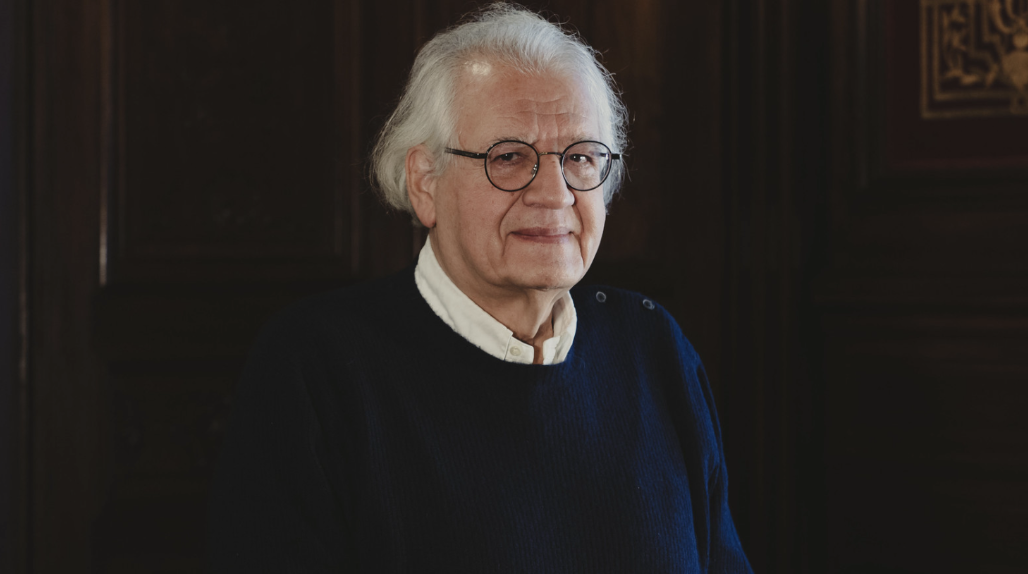
Fig 1. “Portrait of Patricio Guzmán,” Casa de América, Patricio Guzmán, 2021, https://www.flickr.com/photos/casamerica/51759372675
The Pearl Button (or El Botón de Nácar) stands out from its trilogy partners as an intricate decolonization project. Consequently, it provides a telling case study for how Guzmán engages with Guynn’s concept of collective memory. The film focuses on one of the most disenfranchised groups in Chile’s history: its indigenous peoples, whose language, identity, and memories are heavily obscured in contemporary culture. To help excavate their stories, Guzmán implements the unconventional guide of water. The symbol flows vividly throughout the film, seen in the lingering aerial shots of rivers and oceans, heard in the calming flow of waves that pervade the film’s soundtrack, and felt in spectators’ sensorial reactions. To this end, water’s presence is comparable to what media theorist Laura Marks terms a “recollection object,” a recurring cinematic figure that embeds “unresolved traumas” in material objects and creates a substitute for intangible experience lost in public consciousness.[1] Although the poetic motif might be initially confusing, the symbolic imagery foregrounds The Pearl Button’s opposition to traditional conceptions of history. By positioning water as a witness to a lost past, The Pearl Button counters absences in the material record. With this recollection object, the documentary functions as a new material site for collective memory, inviting viewers to participate in the active process of remembrance. Guzmán’s essayistic and non-linear structure embeds the film with an overt subjectivity, linking evidence from a remote past to sensory, knowable experience in the present. Ultimately, he employs these rhetorical strategies to resist and decolonize dominant historical narratives through subversive means.
History vs. Memory
To understand how The Pearl Button’s formal elements align with Guynn’s theory, I must first address the scholar’s distinction between history and memory. Building on the work of philosopher Paul Ricoeur, Guynn argues that memory can be separated into two modes: the passive “presence of image to mind” and the “intentional activity of recollection.”[2] The latter is an active form of reflexivity. When the past is considered alive and interactive, a person can question their individual perception of it. This encourages them to seek out alternate perspectives, interchanging memories with different members of a community or social group. Conversely, memory’s passive mode is what Guynn categorizes as historical memory, or more broadly, history. In history, the past is dead, with the role of community engagement passed on to historians, who document “accumulated experience[...]to perpetuate the social group.”[3] That perpetuation is typically one of the majority experience, or forces in power who want to control social recollection through precise narrative cohesion. By making the past dead, social groups in the present passively align themselves with the dominant historical perspective. They are less likely to resist and challenge the status quo. Patricio Guzmán openly fights against this sense of passivity in The Pearl Button by reviving active memory—the “collective determination to remember” through concrete interactions—through the recollection of water.[4] As a new material for audiences to fluidly associate themselves with, water is a present-day passage to the past, where the recesses of indigenous heritage, colonial genocide, and assimilation efforts lie. Voyaging into new oceans of memory, Guzmán’s uniquely poetic and subjective approach thus contrasts with the perceived objectivity of a colonized history.
Water as a Witness
As a threadline for audiences, water is The Pearl Button’s primary witness and window to Chile’s past, not just a natural resource captured on camera. It is overtly linked to undocumented experiences, like Kawésqar fishing practices or the graveyards and island camps of Pinochet’s political prisoners. According to Marks, recollection objects emerge from these memories through sensory experience. Bodily reactions to tangible materials on screen (i.e., our somatic responses to sounds and images) can awaken a new perspective for “histories that have been lost en route.”[5] Because intercultural understanding is diminished by Western colonial influence on normative representational practices, embodied experiences are a radical tool for filmmakers to displace the act of witnessing onto the inhuman. This creates an alternative form of knowledge to the traditional intellectualism associated with an archival material record.[] The righteous accuracy of history is consequently undermined. Instead, the materiality of the recollection object and the memories associated with it through human interaction are evidence enough of events past.

Fig 2. "Ocean ripples," Patricio Guzmán, The Pearl Button, 2015.
The Pearl Button’s early scenes immediately provoke sensory associations with water. Blurred images of the ocean slowly fade over landscape footage of satellites in a brief reference to the astronomy motif featured in Guzmán’s earlier film Nostalgia for the Light. Paired with the gentle sounds of crashing waves and flowing streams in the score, the transition provides a space for spectators to feel the presence of water viscerally. Water’s symbolic importance is underscored with a concentration of aerial and wide-angle landscape shots of bodies. Cutting between Chilean rivers, oceans, and icebergs, the montage forgoes formal voiceover narration in favor of ambient noises to enhance viewer immersion. Film scholar Belinda Smaill notes that these scenes place the “sovereign subject” (water, a natural, vital element empowered over a dead, established history) “in a God-like position,” creating a form of unquestionable authority.[1] The natural world is a marker of truth, unfettered by human manipulation. Viewers may not be able to change the land presented onscreen, but they can feel its weight and its material connection to the past. Crucially, The Pearl Button includes these scenes before any archival photographs of indigenous tribes (the Kawésqar, the Selk’nam, the Anoiken, the Hausch, and the Yamana). The choice to foreground land and its more sensorial ties over primary records undermines traditional conceptions of evidence. Once archival images begin to appear onscreen, the sound of ocean waves is layered under them. The editing choice beautifully challenges linearity. Because the images and sounds share screen space, instead of being divided in a delineated order, history is colored in nuance and variety. The past flows into the present experience of spectatorship. Further, when archival photographs depict tribes in a range of water-related activities, such as fishing and canoeing, Guzman blends these images with shots of water. The layered visuals wordlessly explain how indigenous practices are inherently tied to the recollection object of water. This demonstrates a clear, material interaction, or evidence of a lived experience.[2] By surfacing images of the past through present-day footage, the editing visually embodies water with human history. In addition to encouraging sensory experiences in earlier scenes, Guzmán pushes for personal connections to the recollection object, and by association, a sense of empathy for the pictured subjects. This raises the question of why the spectator should care because it helps them recognize their place “within all levels of society,” the common and the marginalized. Identification is affirmed through a sense of solidarity.[3] Audiences might not have the same lived experience with Chile’s water as the archived natives, but they’ve now been informed of alternative perspectives.
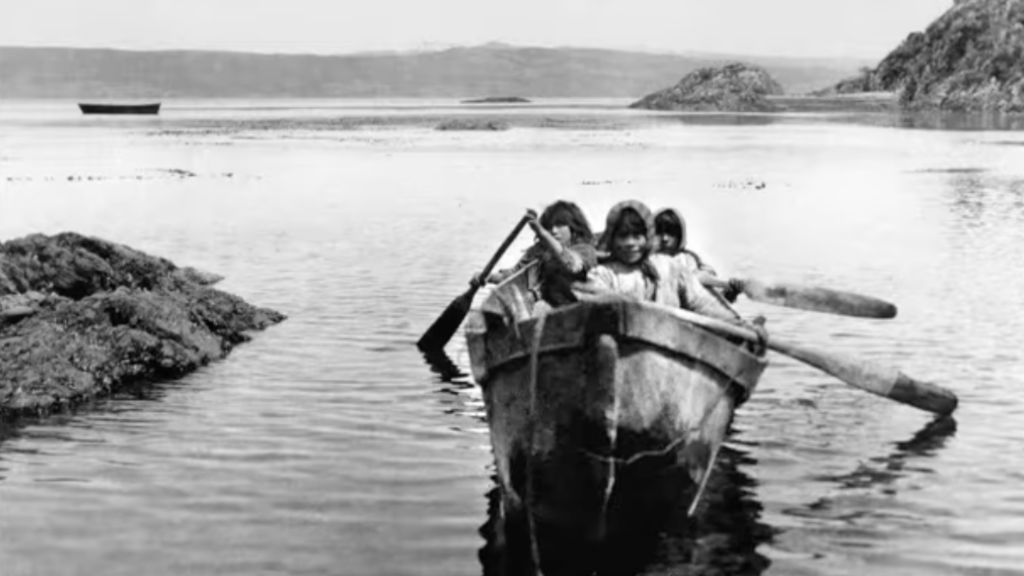
Fig 3. "Archival canoe image," Patricio Guzmán, The Pearl Button, 2015.
The Pearl Button’s layered projections are a river of connectivity. During the voyage of spectatorship, the film challenges us, its viewers, to open our minds to a previously underrepresented world. Because when we undertake the difficult task of deciphering a nonlinear construction of history, we might better understand our place in it.
Tooling Subjectivity
But it’s not just ourselves that connect to water. The Pearl Button embodies Guzmán’s will to remember erased histories by centering his subjectivity, modeling the act of remembrance as an ongoing process. Like its trilogy siblings, the film is entirely narrated by Guzmán. From adolescent stories to poetic ponderings on the cosmos, Guzmán speaks in the first person, making clear that he is the text’s author. The film flows in a manner similar to personal essays or diary entries. In one moment, Guzmán might explain his childhood love for Jules Verne’s adventure novels. A few breaths later, he will tangentially connect that love to his later readings on Chilean history. Said readings are revealed to be what led him to be the “only native who left his mark on history” in traditional records: Jemmy Button (named after pearl buttons given to native populations by colonists).
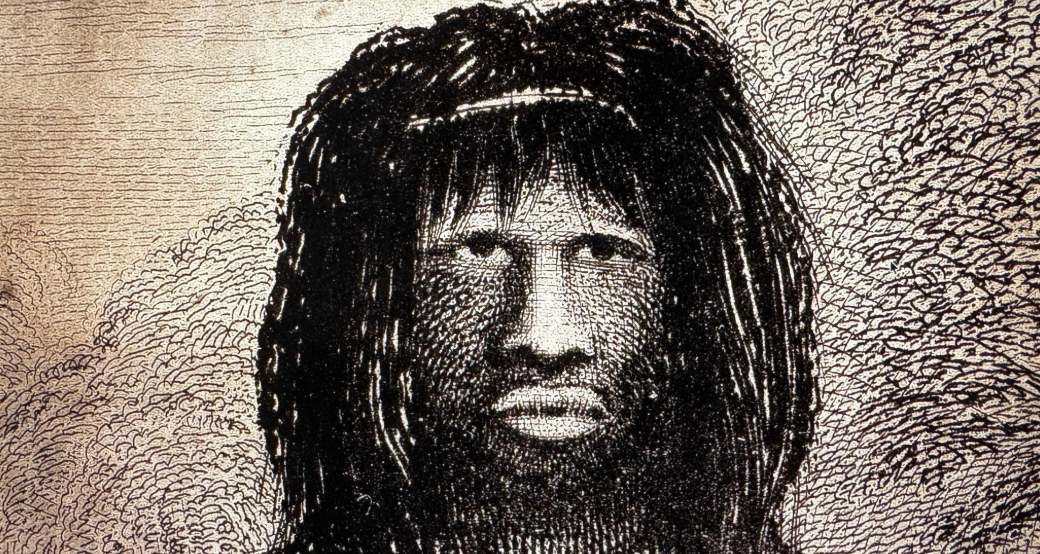
Fig 4. "Portrait of Jemmy Button," Patricio Guzmán, The Pearl Button, 2015.
This through line to an eventual colonial critique, regarding Button’s wrongful “civilization,” is derived from Guzmán’s personhood. He is the origin of information, guiding viewers through the great questions of his life. Guzmán’s choice marks a generic commitment to “individual expression,” a contemporary documentary trend explored by media scholars Louise Spence and Vinicius Navarro. By emphasizing the author’s lived stakes in the material—exposing, rather than disguising subjectivity—these kinds of documentaries encourage audiences to critically think about how the filmmaker’s perspective on history differs from common comprehension.[1] This is a crucial step in the process of collective memory, where subjectivity is a stepping stone toward a social group’s identity formation. Returning to the motif of water, Smaill describes how Guzmán’s essay film style centers his personal sensory experience with water. His overt presence as narrator implies that the sensorial interactions enabled in the film are extensions of his own. He, like the audience, “is in nature, alongside it,” the opposite of passive engagement with history.[2]
Guzmán best exhibits this approach during an interview segment with cultural anthropologist Claudio Mercado. Beginning in a more familiar documentary style (i.e., a medium shot of Mercado speaking about water and native practices, intercut with footage of him gardening and touching water streams), Mercado explains that when he slows down and focuses on his natural surroundings, he begins to “hear music” in the sound of water (a deeply personal experience Guzmán has mentioned previously as narrator). The scene culminates in a low-angle shot of Mercado throat-singing (presumably in a native Patagonian style), the image cross-cut with extreme close-ups of falling drops of water. Distorted audio of Mercado’s singing plays in the background, the sound similar to what music sounds like underwater. Aided by a deliberately slow pace, Guzmán’s disorderly succession of images and sounds encourages spectators to pay close attention. What results is not only a visceral recreation of Mercado’s earlier description, but an extension of Guzmán’s sensory experience with hearing music in water. A meditative moment, the calming blend of rain, river, and sea sounds, harken back to the film’s previous uses of audio immersion, in which indigenous peoples were paired alongside water. Droplets distort and reverberate as the past filters into the present, necessitating the work of interpretation. Guzmán thus passes on his knowledge to audiences through this somatic connection. The scene’s arrangement is an active step in reshaping preconceptions about both the recollection object and the history embodying it. As with the layered ocean sounds and archival images of indigenous tribes, Guzmán creates a direct link for audiences to draw connections between the previously disparate subjects. His editing technique unites subjects without the need for voiceover. Somatic associations alone trigger visual and thematic meaning.
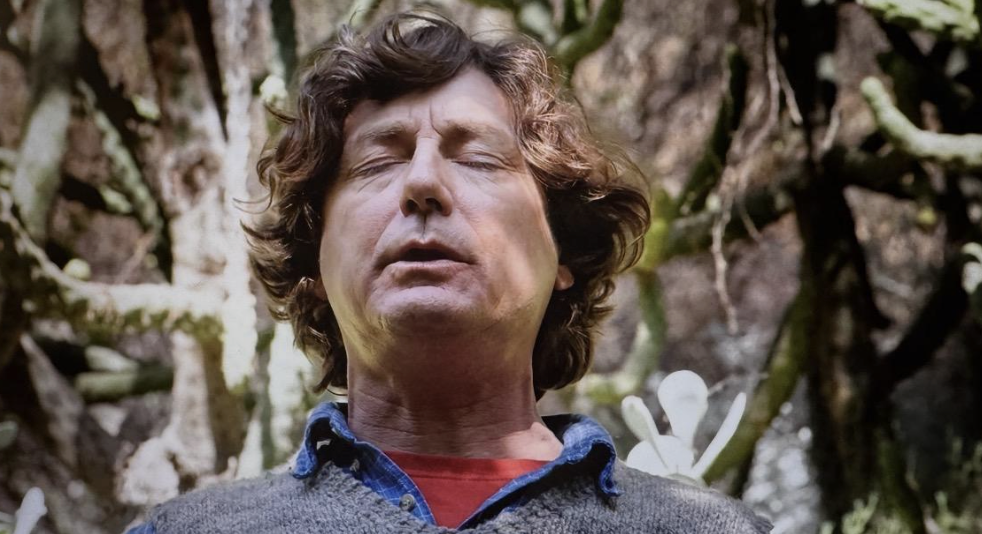
Fig 4. "Claudio Mercado singing," Patricio Guzmán, The Pearl Button, 2015.
Considering how intimately indigenous knowledge and culture are discussed in the scene, Guzmán’s lack of native heritage does invite scrutiny. Why is Mercado, a white Chilean man from the modern era, chosen as the central guide for the scene? In association, why is Guzmán for the film? Guzmán’s centrality as narrator may lead some to read the film’s subjectivity as further diminishing the voices of the colonized. However, the overtness of Guzmán’s role as author is precisely how The Pearl Button challenges absolute authority, a position that traditional historical records have adopted. Established history maintains its reputation through supposed neutrality, on the proliferation of facts. Yet, neutrality is near impossible, for bias of history’s authors often bleeds through. By serving as The Pearl Button’s narrator, Guzmán draws attention to his humanity, to his bias, and to his history. These are his conversations with interviewed subjects, his footage captured by his hand on the camera, and his childhood anecdotes about friends washed away by the sea. His authorial stamp is pressed all over the film. Applying Spence and Navarro’s framework, Guzmán’s explicit personhood intends to create a “sense of rapport” between himself, his subjects, and spectators.[1] Relationships are not split up between givers and receivers of memory. Rather, everyone is in conversation with one another. Bias is necessary to communicate that differences of opinion exist. Neutrality would be a trap. Progress cannot be made if there are no disagreements. Collective memory requires diversity. So, yes, Guzmán affords himself a place at the table, but he also leaves chairs open for underrepresented voices. Everyone must be afforded respect and attention to determine inclusive memories for the social group. The facts of the past cannot be changed, but the way we tell them can. That starts by allowing challenge to fact, to objectivity, to be shared.
Herein lies a question about the personal motivations behind Guzmán’s approach. Why might he choose to approach storytelling in such an unconventional fashion? Speaking on The Battle of Chile, Guzmán has confessed to holding a “tremendous responsibility to construct discussion” in his documentaries, to emotionally involve spectators. He insists on an overt “artifice,” bringing his own sense of “imagination to the project” to “entrap” audiences in new interpretations of reality.[2] These sensibilities translate clearly into the poetic, wandering pace of The Pearl Button. The film’s structure is less derivative of a seemingly objective, traditional approach to nonfiction and instead a deeply personal exercise in self-reflection, as evident in the Mercado scene. Guzmán functions as the acting “agent” of reality, “a sort of insider whose knowledge is based on concrete, lived experience,” and is willing to pass that knowledge onto his audience.[3] He seeks to form a connection, to take our hands into his as he walks us through the horrors we must never forget. Consider a disturbing scene in the last third of the film, in which Guzmán painstakingly recreates the disposal process for the bodies of Pinochet’s political prisoners using a mannequin. A contextual interview with writer and journalist Javier Rebolledo reveals that recorded testimonies have outlined instructions for how bodies were disposed of during the dictatorship. These testimonies are what Guzmán’s team use to recreate every step of the process: beginning with injection, all the way through the careful wrapping of bodies in weighted materials. Documentary reenactments are a unique form of performance. They typically require subjects to relive personal events through acting, determining how the past situation will be represented in the present.[4] However, because there are no living subjects that can detail their sequence of death, Guzmán’s film steps in to serve them. In his narration, Guzmán explicitly states that he’s only reenacting the event out of a personal interest to see and “believe it.” The ensuing images are striking. A tray of drugs sits ready for injection. A heavy metal rail crushes the foam chest of the mannequin. A string set of wire is wrapped around its form, followed by a suffocating pair of potato sacks on each end of the body.
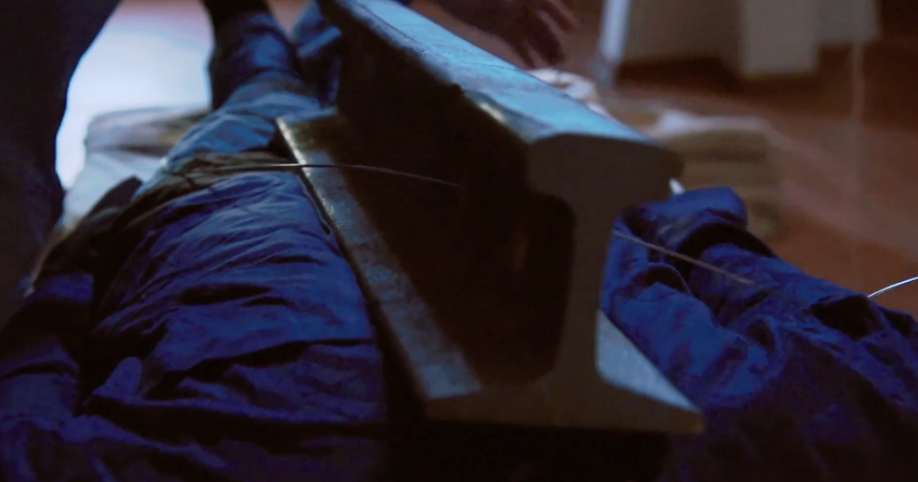
Fig 5. "Mannequin used during reenactment," Patricio Guzmán, The Pearl Button, 2015.
Since each step of the process is cemented into the memory of the viewer, what was formerly recorded testimony is now viscerally reimagined evidence in the form of Guzmán’s recording. The images are a new channel for viewers to recognize the realities of the past. This sequence concludes with the mannequin, along with several others, being wordlessly dropped from a helicopter into the vast sea below, representing how the nameless victims were ultimately sent to their graves. The ocean, which was once the lively entity of indigenous heritage, has been polluted by violence. All returns to water, the recollection object now bloodied. By recording the reenactment, Guzmán creates new material in the absence of an established record. The dead cannot speak, but the images of their experience can. This is privileged access to the reality Guzmán views as so desperately elusive. If Guzmán needed to see these recreations to believe their truth, then so too do the viewers. His methodology legitimizes the documentary as a space for communal knowledge sharing. Only then can the films’ creators and spectators work together to reshape their comprehension of the past and fight to restore what has been erased.
Creating a Site for Collective Memory
Building off Guynn’s framework for how films can promote the process of collective memory, Guzmán creates meaningful links between a lost indigenous past and present conceptions of Chilean identity. Writing on Nostalgia for the Light, Guynn explains that Guzmán’s poetic style captures the “shattered fragments of memory,” an “unwanted expression of a past” that lends attention to the marginalized.[1] The same is true for The Pearl Button, which lacks the traditional narrative structure and cohesion prevalent in history. Critics of the film have pointed toward its lack of clarity as a detriment to its central message. Rather than finding a definite, identifiable shape through water, The Pearl Button fumbles through subjective tangents and a non-linear approach, leaving audiences with more confusion than understanding.[2] However, these criticisms make light of the inherent power structures in historical continuity. The Pearl Button is intentionally fragmentary because narrative cohesion is one of history's most effective tools in burying perspectives that do not align with the dominant one. Colonial power relies on a passive acceptance of the historical record by social groups, stunting the process of collective memory.[3] Therefore, Guzmán attempts to recover marginalized voices through heightened spectatorial engagement. Interspliced throughout the film are interview segments with living members of Patagonian tribes. In contrast to the Mercado scene, these talking head scenes involve explicit descriptions of indigenous practices, directly from the people who experienced and inherited the memories. From intimate stories about family migration to lessons on fishing culture, these recorded conversations make clear that, despite a lack of knowledge and documentation of native history, these events and peoples existed and, while diminished in numbers, are still here today. For Guzmán, interview segments function as a “living moment of experience,” with confessions capturing memories that are “distinctive, intense, [and] alive.”[4] This imbues a documentary with a unique sense of humanity only achieved through nonfiction. Interviewees are real, breathing people, reciting an oral history from the soul. Scholars Francis Guerin and Roger Hallis equate the act of speaking on camera as encouraging witnesses to play a part in “the narration of his or her own story.” The subjective words of testimony are “still connected to the body of the sufferer,” whereas material images or transcripts imply spatial separation, producing “embodied knowledge” for a film.[5] Were Guzmán not to feature oral histories of indigenous peoples onscreen, The Pearl Button’s representation would fail. It is precisely because Guzmán includes dialogue with native communities that the film succeeds in creating a resource that boosts marginalized voices.
During one such scene in The Pearl Button, an off-camera Guzmán reads off Spanish words relating to the ocean. In response, different native men and women translate the terms into their own language. The fluidity of words, between Spanish and indigenous tongues, blends Chile’s disparate identities into one. While translation is a chart for uncharted waters, it is difficult to decipher.
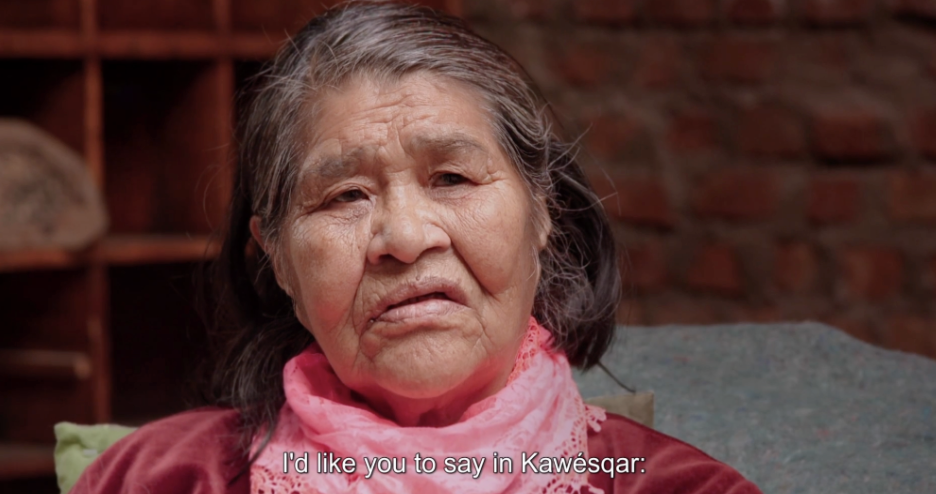
Fig 5. "Interview with Gabriela Paterito," Patricio Guzmán, The Pearl Button, 2015.
The lessons captured onscreen are slow and methodical, with many of the interviewees struggling to recall the terminology (likely due to lack of use). Applying Guynn’s argument, this documentary technique stages the return of repressed memory through a provocation of existing witnesses.[1] The uneven pacing, while not easily digestible, contradicts a quick dissemination of culture/heritage in traditional history. The spectator must patiently listen. This moment brilliantly connects back to the filmic presence of the recollection object, where words associated with the images earlier introduced to us are now vividly brought back to life through words. The methodical approach of the scene challenges audiences to participate in the lessons themselves, attaining knowledge through a secondhand conversation. Through this structure, Guzmán underscores the innate humanity embedded in his motif of water, as the audience’s exposure to indigenous language is taught through oceanic words. The material images of The Pearl Button are thus linked with oral history, providing the film a form of agency in “bearing witness,” an act of “transformation” that recontextualizes established knowledge.[2] Written records could never capture that unique power, for spoken testimony must be seen and heard to be understood. The interviewed subjects in The Pearl Button are the ultimate evidence of truth, and since their perspective flows with the film’s established motif, they authorize water as a representative of an authentic history. Embodied experience of past witnesses meets the sensory experience of viewers in the present. Through this approach, Guzmán embeds The Pearl Button’s recollection object in accordance with indigenous heritage, navigating spectators through an obscured culture.
Documentary as a Mode of Resistance
Building a bridge between creator, spectator, and subject, The Pearl Button’s status as a site of collective memory empowers the documentary to resist established historical narratives. Shattered fragments of memory assembled by the film contradict narrative cohesion, blurring the past and present to make memory a more active process of interpretation. Because of the marginalization of memory for underrepresented peoples, witnesses are often “isolated voices,” instead of a vibrant, communal force.[3] Through this filmic gathering of them, Guzmán creates an archive for previously unrecorded information. His group interview with Pinochet camp survivors around the hour mark is an evocative depiction of this technique. In a wide shot, fifty-plus former prisoners raise their hands to point toward the direction of Dawson Island (their site of imprisonment, and tangentially, a former missionary school where indigenous peoples were interned).
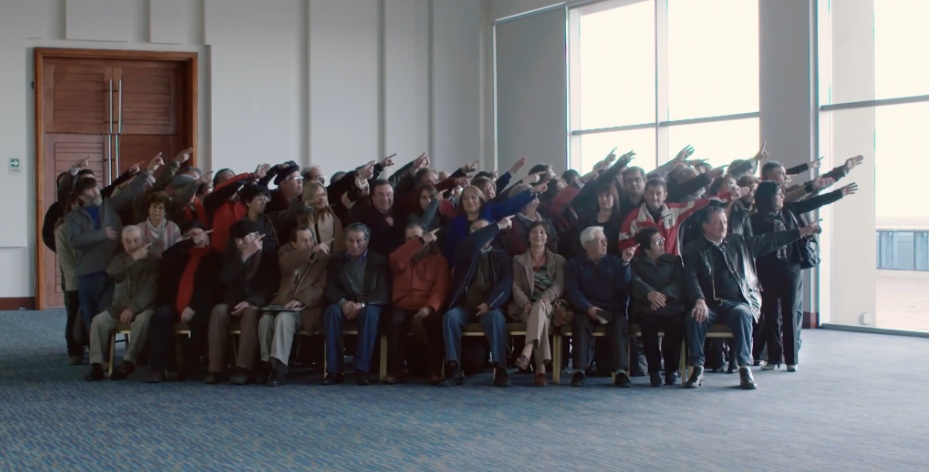
Fig 6. "Former prisoners pointing toward Dawson," Patricio Guzmán, The Pearl Button, 2015.
Moments later, their voices crash over one another in waves as they yell out how long they were imprisoned for. A whirlpool of trauma pulls the crowd into unity. The scene ends with a zoomed pan across each of their silent faces, staring into the camera. These images powerfully exhibit what Guynn describes as a closeness to the past rediscovered through the testimony of witnesses. The documentary interview triggers a re-emergence of memory in people who directly experienced events and carry knowledge regarding them.[1] Here, the film steps into the place of a traditional artifact to center underrepresented voices, emphasizing shared experience instead of isolated accounts. These recordings reinforce that memories of violent pasts are alive and well, and not just unfeeling records to be swept under the rug. Collecting these testimonies, The Pearl Button functions as a site for its intended audience/social group, modern Chileans, to reform their identity through exposure to a different perspective. By listening closely, audiences can engage in the process themselves and become closer to the lived stakes of the subjects.
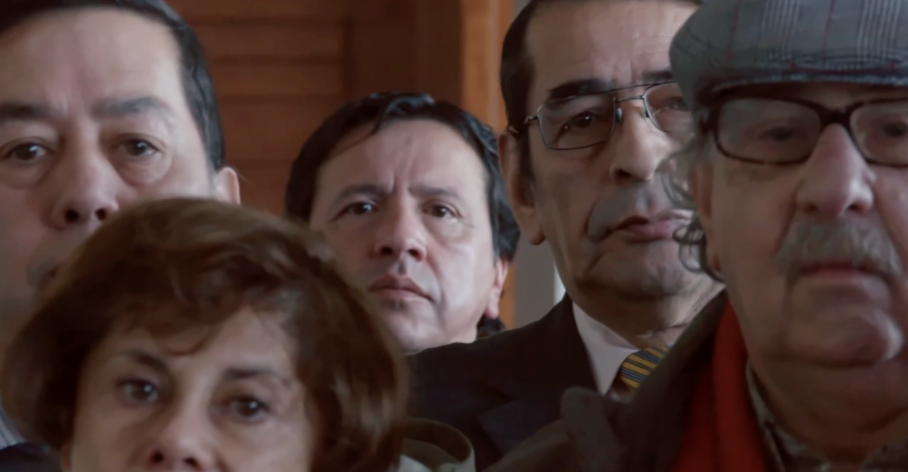
Fig 6. "Former prisoners staring into the camera," Patricio Guzmán, The Pearl Button, 2015.
The Pearl Button concludes with an ending montage of native descendants staring directly into the camera. Close-ups of their faces emphasize the subjective, prompting spectators to relate to the memory/emotions of the subject.[1] The framing implies a silent plea to remember the information disseminated throughout the film. It is now the viewer’s responsibility to recall a forgotten history, identifying with the plight of colonial and dictatorial victims. Why? Because in Guzmán’s own words: “the historical memory of a nation shapes its expectations.” While recollections of the past may be painful, they are necessary because “the truth inspires hope, and that inspires the will for social change.”[2] The Pearl Button is a call to action. As audiences have been watching the film unfold before their eyes, the close-ups imply that the audience is being watched back at themselves. Through this string of editing, Guzmán wills audiences to be new witnesses themselves, and not abandon the task to historians. He closes the gap between different members of social groups, instead of widening it. The Pearl Button wants people to resist, to question why they haven’t been paying attention to a cause that is now so intimately communicated. In doing so, the documentary creates a channel for Guzmán to afford respect to underrepresented voices and advocate for a return to practices of collective memory.
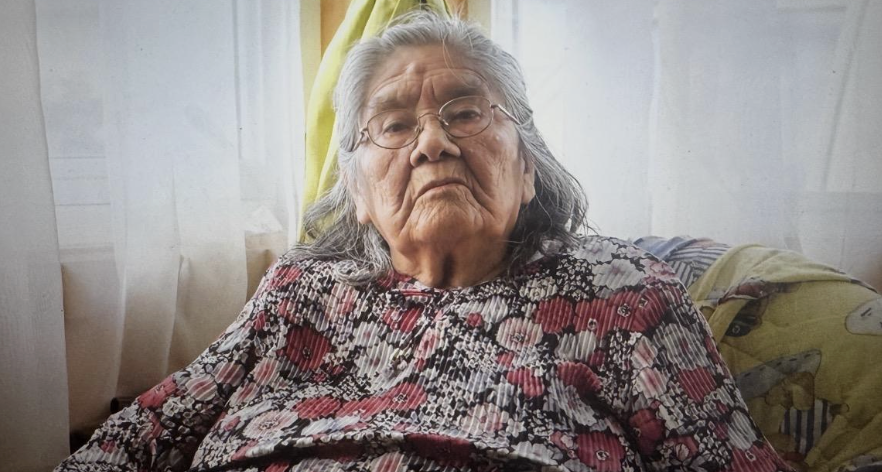
Fig 6. "Interview with Cristina Calderón," Patricio Guzmán, The Pearl Button, 2015.
Conclusion
Through its unique tapestry of poetic wanderings and unflinching testimony, The Pearl Button’s endmost project is to decolonize. Guzmán’s filmic techniques are meant to evoke change within acceptance of the past’s status quo, no matter the audience. When speaking to modern Chileans, Guzmán challenges a traditional history built on political censorship of misdeeds, forcing intrusive, but necessary encounters through sensorial responses to sounds and emotional shock to reenactments of violence. To indigenous viewers, he generates spaces for rare dialogue through interviews, bringing marginalized perspectives into the mold of collective memory-making. For audiences unfamiliar with any of the film’s contextual subject matter, Guzmán generates a larger question about historical bias and why traditional documentary techniques are not effective tools in uncovering buried legacies. Why? Because easy spectatorship is passive spectatorship, whereas, as Guynn puts it, “memory is a field of resistance.”[1] To truly reshape historical perception, audiences must engage actively with the documentary as a material. This is the ultimate power of a documentary. It can “impose its way of seeing the world” without compromise.[2] Guzmán will not coddle his viewers with familiar imagery and technique because that will not enable social change. What results is an incredibly compelling alternative text to false objective records. A vital element of human life, water, as a recollection object, channels sensory experience and embeds human history. This provokes the seminal steps of collective memory building through engagement with the film’s materiality, fighting against the dead, inert tread of history. Guzmán’s subjectivity and personal expression expose the futility of objectivity, a passive line of thought that prevents active connection to the past in the present. He wants to engage viewers through overt artistry, redefining their sense of reality by distorting supposed normality. Arresting fragmentation of narrative gives way to a powerful reunion of the community, collecting testimony in an alternative archive for viewers to reconsider the past. Guzmán refuses to let said absence prevent the “losers” of colonial history from triumphing in the present by inviting audiences to participate in his mission. Spectators must bear witness through a blend of material images and oral testimony. Taking in these experiences, Guzmán speaks directly to us, arguing that to decolonize history, we must also decolonize our way of thinking and remembering. That task can only be undertaken through the audience’s willingness to challenge themselves, to open their minds to a new perspective. As Chilean poet Raul Zurita evocatively states in the film, “when you watch the sea, you watch humanity,” a transformative act of seeing the human in the inhuman. In doing so, we, like water, become a witness to the past, working with others to remake our future.
Endnotes
[1] William Guynn, “Film: A Place of Memory,” in Writing History in Film (Oxford: Routledge, 2006), 165.
[2] Guynn, “Film,” 171.
[3] Patricia Aufderheide and Patricio Guzmán, “The Importance of Historical Memory: An Interview with Patricio Guzmán,” Cinéaste, Summer 2002, 22.
[4] Laura U. Marks, “The Memory of Things,” in The Skin of the Film: Intercultural Cinema, Embodiment, and the Senses (Durham: Duke University Press, 2000), 80.
[5] Guynn, “Film,” 168.
[6] Guynn, “Film,” 172.
[7] Guynn, “Film,” 176.
[8] Marks, “The Memory of Things,” 110.
[9] Marks, “The Memory of Things,” 118-119.
[10] Belinda Smaill, “Rethinking the Human, Rethinking the Essay Film: The Ecocritical Work of The Pearl Button,” in Beyond the Essay Film: Subjectivity, Textuality and Technology, edited by Julia Vassilieva and Deane Williams (Oxford: Taylor & Francis Group, 2020), 169.
[11] Marks, “The Memory of Things,” 80.
[12] Guynn, “Film,” 172.
[13] Louise Spence and Vinicius Navarro, “Authority” in Crafting Truth: Documentary Form and Meaning (New Brunswick: Rutgers University Press, 2011), 69-70.
[14] Belinda Smaill, “Rethinking the Human,” 170
[15] Spence and Navarro, “Authority,” 65.
[16] Aufderheide and Guzmán, “The Importance of Historical Memory,” 23.
[17] Spence and Navarro, “Authority,” 71.
[18] Spence and Navarro, “Authority,” 74.
[19] William Guynn, “Patricio Guzmán’s Nostalgia for the Light,” in Unspeakable Histories: Film and the Experience of Catastrophe (New York City: Columbia University Press, 2016), 162-163.
[20] Ryan Gilbey, “Deep Blue Something,” New Statesman, 18-31 March 2016, 86.
[21] Guynn, “Film,” 175.
[22] Aufderheide and Guzmán, “The Importance of Historical Memory,” 24.
[23] Frances Guerin and Roger Hallis, “Introduction,” in The Image and Witness, edited by Francis
Guerin and Roger Hallis (London/New York City: Wallflower Press, 2007), 7.
[24] Guynn, “Film,” 189-190.
[25] Guerin and Hallis, “Introduction,” 4.
[26] Guynn, “Patricio Guzmán’s Nostalgia for the Light,” 157.
[27] Guynn, “Film,” 193.
[28] Guynn, “Film,” 191. [29] Aufderheide and Guzmán, “The Importance of Historical Memory,” 25.
[30] Guynn, “Patricio Guzmán’s Nostalgia for the Light,” 163.
[31] Aufderheide and Guzmán, “The Importance of Historical Memory,” 25.
Parker Beyersdoerfer
Parker Beyersdoerfer is a senior at Northeastern University with a combined major in English and Media and Screen Studies. She serves as the President of Fiction Addiction, Northeastern’s student book club, and NU Hapa, a cultural organization for students of mixed Pacific Islander and Asian descent. An archivist at heart, Parker works as an Undergraduate Research Assistant for the Digital Transgender Archive, an online hub for digitized materials concerning trans history. In her spare time, she can be found wandering around independent bookstores and catching matinees at her local movie theater.